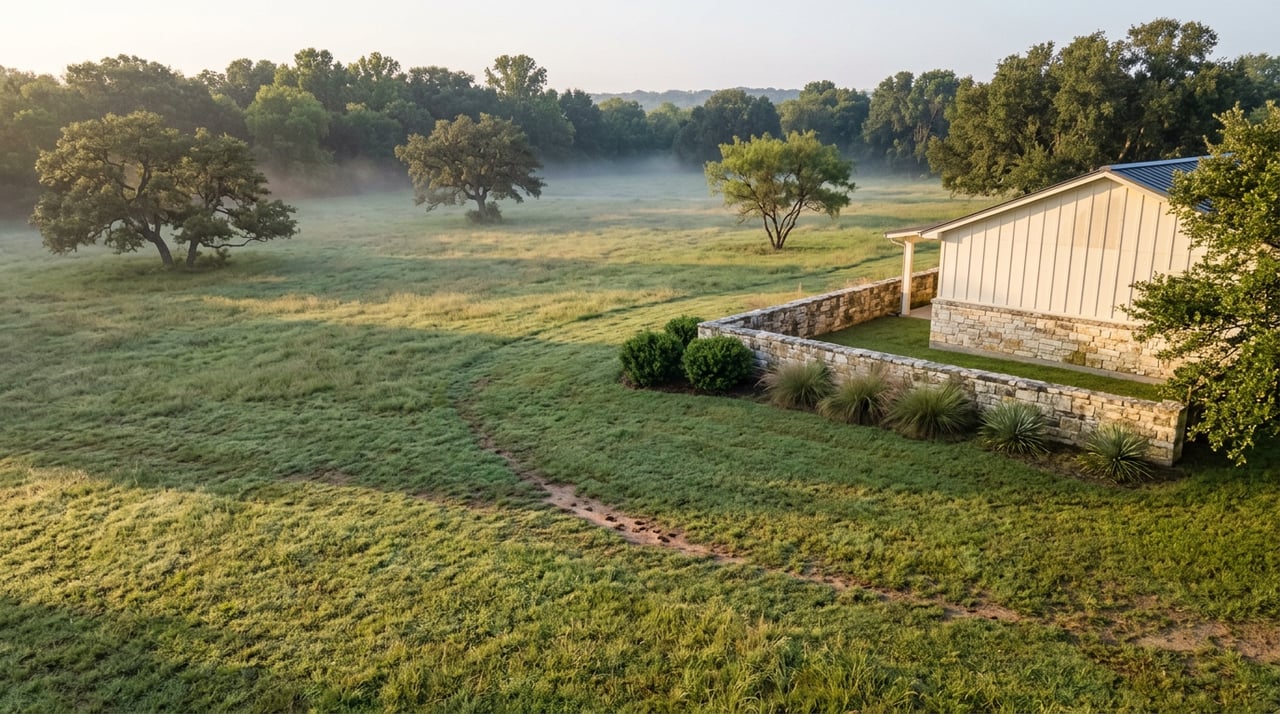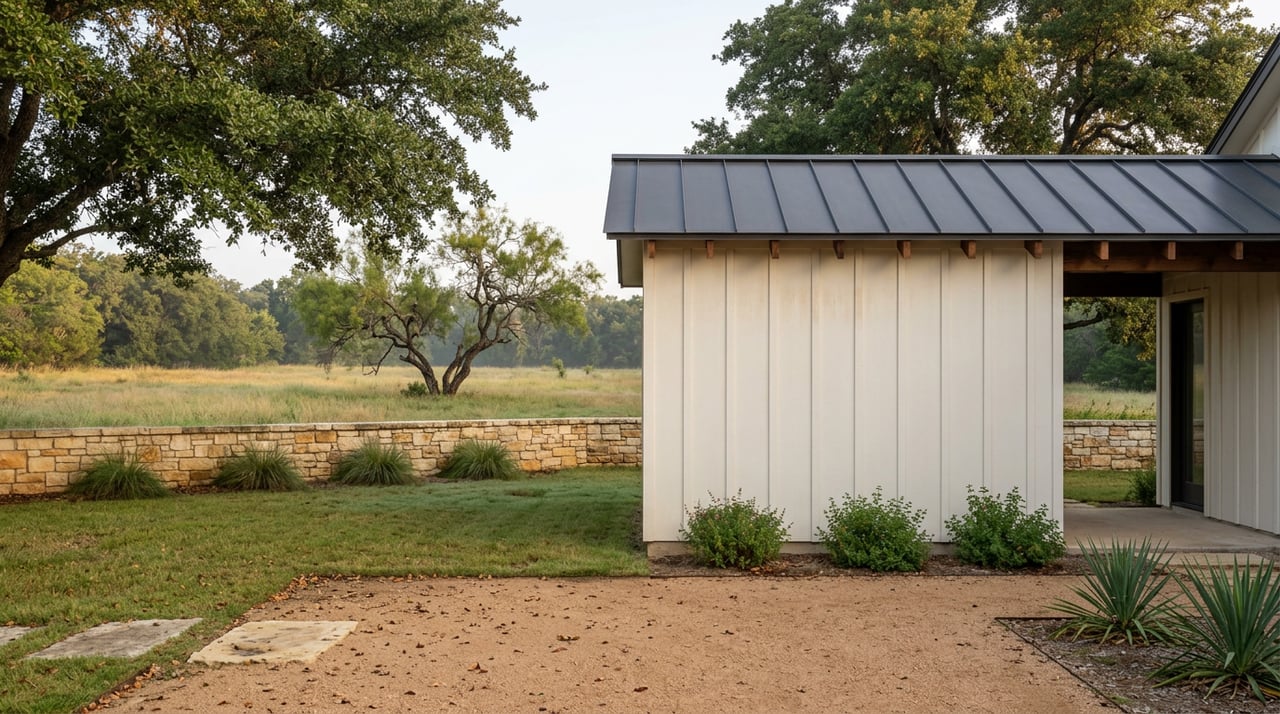
A passing septic inspection tells you the system works right now. It says the tank holds, the effluent isn't surfacing in the yard, and nothing is backing up into the house. What it does not tell you is what happens the day you want to add a bedroom, replace the drain field, or build the guest casita you pictured when you toured the property.
That second question runs through an agency most option-period checklists never mention, and whether it applies to your parcel has nothing to do with the home's condition. It has to do with a line on a map you've probably never seen.
What a Pass Actually Certifies
An inspector checking a septic system before closing is confirming that the tank, lines, and treatment components are functioning as designed today. That is a real and useful thing to know. It is also a narrow thing to know. The inspection does not tell you whether the system is aerobic or conventional in any way that changes your future obligations, whether the maintenance contract on file transfers to you, or whether your parcel sits inside a zone that requires state review before you can legally disturb the soil to fix or expand anything.
Two homes can pass the exact same inspection this week and face completely different paths the day something needs to change. The difference is not the system. It's the ground underneath it and the map coordinates of the lot.
Why the Ground Decides the System
Most of the Hill Country around Dripping Springs sits on limestone a few inches below the topsoil. A conventional septic system needs soil deep enough for a drain field to absorb and filter wastewater slowly. Where the rock sits close to the surface, that absorption doesn't happen reliably, so a large share of acreage properties in this area run on aerobic treatment instead.
An aerobic system treats wastewater more aggressively before it leaves the tank, which is exactly why Hays County classifies it differently. Any aerobic or advanced treatment system, including drip irrigation setups, requires an ongoing maintenance contract with a licensed provider. A basic conventional system does not carry that same requirement. Same land, same climate, different regulatory tier, and it's determined by what the geology allows rather than what the buyer prefers.
| Conventional System | Aerobic / Advanced System | |
|---|---|---|
| Typical setting | Deeper soil, better drainage | Shallow limestone, common on Dripping Springs acreage |
| Ongoing maintenance contract | Not required | Required, must be on file with the county |
| Inspection cadence | Periodic pumping | Regular monitoring under contract |
| Permit path | County OSSF permit | County OSSF permit plus mandatory 2-year initial maintenance contract |
The County Permit Everyone Expects
Hays County requires an On-Site Sewage Facility permit for every septic system in the unincorporated county, regardless of how large or small the lot is. The application moves through an administrative review first, which the county says can take several business days, then a technical review by an inspector before an Authorization to Construct is issued. If the property runs an aerobic system, the application has to include a signed two-year initial maintenance contract from a licensed provider before the county will approve it. Once construction starts, the county requires a construction inspection within twelve months of the Authorization to Construct, and the whole build has to wrap within fourteen months of that authorization or eighteen months of the original application.
This is the layer most buyers already expect, because most septic guides stop here. It is not the layer that decides your timeline if the parcel sits in the wrong spot on the map.
The Second Agency Nobody Mentions
Northern Hays County sits over the recharge and contributing zones of the Edwards Aquifer, and the Texas Commission on Environmental Quality regulates construction activity there directly, separate from anything Hays County does. If your parcel falls inside that zone, any regulated activity that disturbs the ground, including construction, clearing, excavation, or anything that changes the site's existing recharge characteristics, requires a Water Pollution Abatement Plan approved by TCEQ before you can break ground. That includes replacing a failing drain field or building the addition that pushed you to sell the smaller house in the first place.
The WPAP process is not fast and not free. TCEQ gives itself ninety calendar days to complete the technical review once an application is administratively complete, and during that window the affected city, county, and groundwater district, along with the public, get thirty days to comment. The application fee is scaled to acreage and the type of development, running from a minimum of six hundred fifty dollars up to ten thousand dollars for larger single-family or non-residential projects. None of that runs through the county's OSSF office. It's a separate application, to a separate agency, with its own clock.
A buyer who assumes the septic side of a Dripping Springs purchase ends with the county permit can be caught off guard months later when a system replacement or an addition triggers a second review they never budgeted time or money for.
The City Adds Its Own Layer
If the property sits inside the City of Dripping Springs or its extraterritorial jurisdiction, there is a third review to account for. The city's own residential plan review checklist states plainly that all projects in the city limits and ETJ are subject to zoning, land use, water quality, erosion control, and impervious cover review, independent of what the county or the state requires. The ETJ boundary runs well beyond the visible edge of downtown, so a property that reads as "just outside city limits" can still be pulled into this review.
Three agencies, three separate approval paths, and none of them show up on a standard septic inspection report.
What This Means During the Option Period
The practical fix isn't more paperwork. It's asking a shorter, sharper set of questions before your option period runs out.
- Confirm whether the system is conventional or aerobic, and if aerobic, get a copy of the current maintenance contract and confirm it transfers to you at closing.
- Ask the seller or their agent for the Hays County OSSF permit number so you can verify it's active and matches what's installed on the ground.
- Check whether the parcel falls inside the Edwards Aquifer recharge or contributing zone using TCEQ's own Edwards Aquifer map viewer, especially if you have any plans to add square footage, build a secondary structure, or replace the septic system within the next few years.
- If the parcel is in a regulated zone and you're planning any future ground disturbance, build the WPAP timeline and fee into your plans now rather than discovering it mid-project.
None of these steps slow down a closing that doesn't need it. They exist to catch the one property in ten where the answer changes everything about what you can do with the land after you own it.
Quick Answers
Does every septic system in Dripping Springs need an ongoing maintenance contract? No. Hays County requires the maintenance contract specifically for aerobic and other advanced treatment systems. A conventional system on suitable soil does not carry that requirement.
How do I find out if my parcel is in the Edwards Aquifer recharge zone? TCEQ maintains a public Edwards Aquifer map viewer for exactly this purpose, and its Austin Regional Office handles questions for Hays, Travis, and Williamson counties directly.
Does a Water Pollution Abatement Plan only apply to new home construction? No. It applies to any regulated activity that disturbs the ground in the recharge zone, which can include major septic work, clearing, or an addition, not only a first-time build.
Can I install my own septic system in Hays County? Yes, for a residential system on your own property. A licensed installer is required for any system serving commercial use, including rental houses.
Well and septic questions are exactly the kind of detail that separates a smooth Hill Country closing from a stressful one, and they're easy to miss if you're comparing homes on price alone. If you're weighing a Dripping Springs property with acreage, or wondering what your own home is worth in today's market, the Lisa Little Team can walk you through what a property's permit history actually means for your plans and offers a complimentary home valuation to help you see where you stand.