Need a home that works when your schedule does not? If you travel often, split time between cities, or simply want less day-to-day upkeep, Bee Cave offers a compelling version of lock-and-leave living. In this guide, you’ll learn what that lifestyle really looks like in Bee Cave, what types of homes may fit, and what to review before you buy. Let’s dive in.
Why Bee Cave Fits Lock-and-Leave Buyers
Bee Cave has the kind of location many busy professionals look for when convenience matters. The city describes itself as a gateway to the Hill Country, with access near SH 71, 620, and Bee Caves Road. It also blends residential neighborhoods with shopping, dining, events, and outdoor recreation, giving you practical ease without feeling disconnected.
That mix matters when you want a home that supports a lower-maintenance routine. Instead of planning around a large property, you may be able to live closer to the places you use most often. For many buyers, that makes Bee Cave a strong market to consider.
Bee Cave’s public amenities also add to the appeal. The city trail system connects areas from Falconhead Boulevard to Central Park and onward to the Galleria shopping area. Central Park includes features like restrooms, water fountains, a dog park, and shaded play structures, which can make shared public space feel like an extension of home.
What Lock-and-Leave Means in Bee Cave
In simple terms, lock-and-leave usually means a home that is easier to secure and easier to manage when you are away. In Bee Cave, that often points buyers toward townhome-style properties or homes in communities with more shared maintenance and amenities. The goal is not just smaller space. It is a more predictable ownership experience.
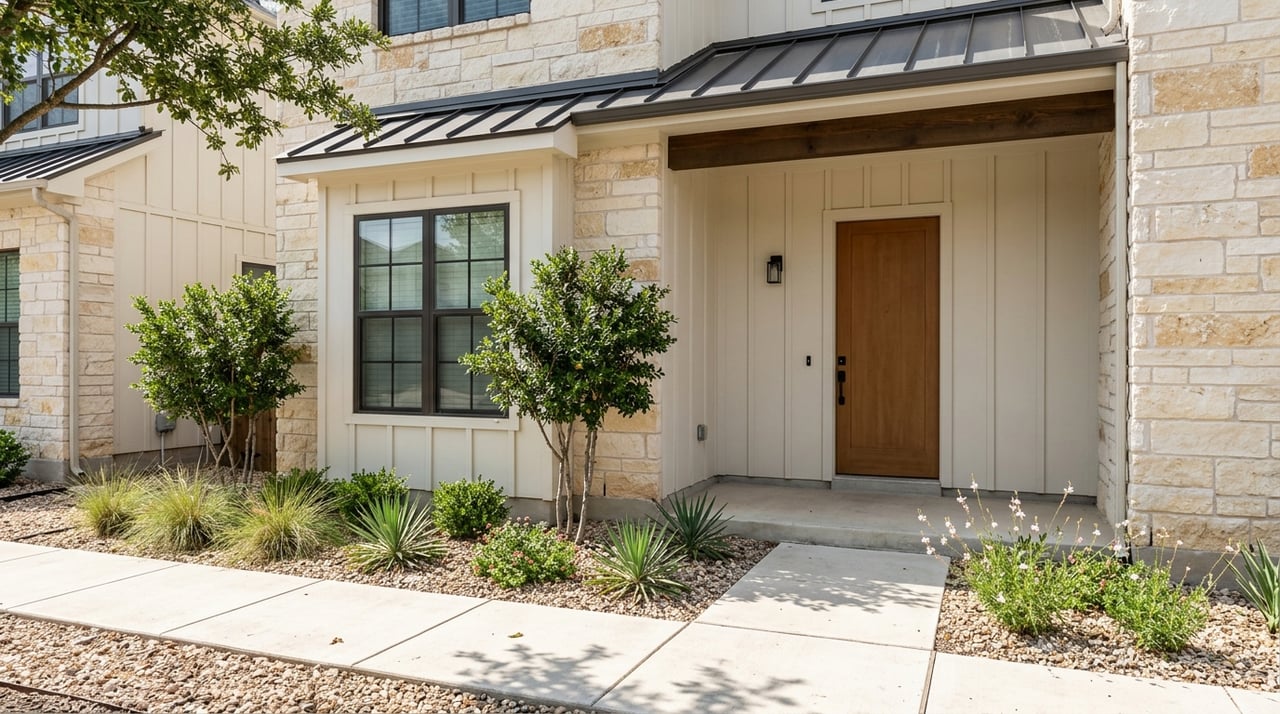
Local product examples help show what that can look like. Brisa, a Bee Cave townhome community, includes attached two-car garages and private yards, and it is located about 1.5 miles west of the Hill Country Galleria. The project contains 126 townhomes and sits about 18 miles west of Austin’s central business district.
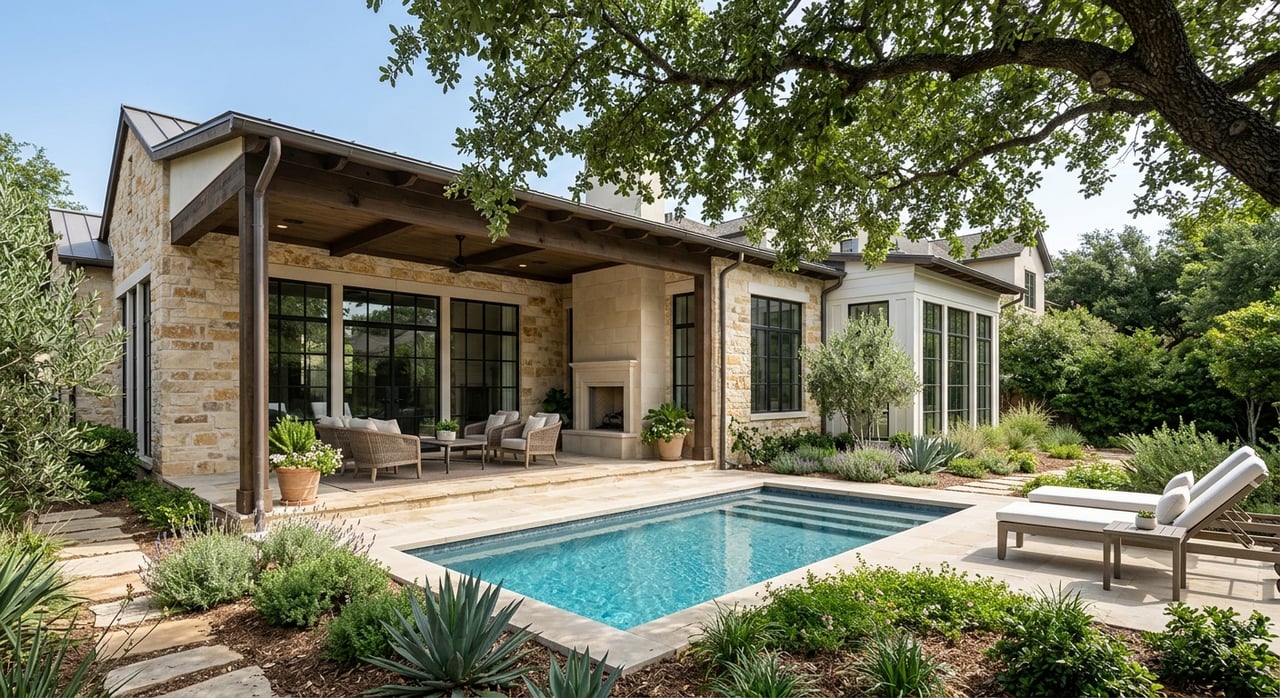
Other Bee Cave-area communities highlight similar convenience-focused features. BB Living Sweetwater Crossing advertises attached two-car garages, EV charging, a resort-style pool, and turfed backyard space. The local market also includes neighborhoods where community pools, pocket parks, and playgrounds are part of the broader lifestyle mix.
Features That Support a Busy Schedule
If you are comparing homes with a lock-and-leave mindset, a few features tend to stand out.
Attached garages and easy access
An attached garage can simplify daily routines and make comings and goings easier when you have a packed schedule. It can also be a practical benefit if you travel often and want a more contained setup. In Bee Cave’s townhome product, attached two-car garages show up repeatedly.
Smaller private outdoor space
Many buyers still want some outdoor area, just not a large yard that requires regular work. Private yards or turfed spaces can offer a middle ground. You keep usable outdoor space while reducing the burden that often comes with a traditional lot.
Shared amenities
Community amenities can replace some of what you would otherwise maintain yourself. Pools, parks, trails, and playgrounds may give you lifestyle benefits without adding as much personal upkeep. In Bee Cave, this pattern shows up in both city amenities and planned communities.
More predictable exterior upkeep
This is one of the biggest reasons buyers pursue lock-and-leave living. Depending on the property and governing association, some exterior responsibilities may be handled through dues rather than through your personal to-do list. That said, what is covered can vary a lot, so you should always verify the details.
How It Compares to a Traditional Home
A lock-and-leave property usually involves a tradeoff. You may give up some yard size and independence in exchange for a more managed lifestyle and access to shared amenities. For many professionals, relocators, and downsizers, that trade feels worthwhile.
Bee Cave offers more than one ownership style. The city’s neighborhood directory includes both HOA and no-HOA areas, such as Bee Cave West, which is listed as no HOA, alongside communities like Falconhead, Falconhead West, The Grove, Ladera, and others. That means you can compare a lower-maintenance setup with a more self-directed ownership experience in the same general market.
If you value autonomy above all else, a traditional single-family home may still be the better fit. But if your priority is convenience, easier departure when traveling, and fewer recurring exterior tasks, a lock-and-leave option may better match your lifestyle.
Who This Lifestyle Fits Best
Lock-and-leave living is often a strong match if you want your home to support flexibility.
Traveling professionals
If you are away often for work, a home with less day-to-day exterior upkeep can be easier to manage. That can mean fewer arrangements before each trip and less catch-up when you return. Bee Cave’s location and amenity mix make that lifestyle feel realistic.
Downsizers
If you want to simplify without giving up comfort, this type of property can be appealing. You may still have modern finishes, a garage, and outdoor space, but with less maintenance than a larger traditional home. That balance is often a key reason buyers downsize into these communities.
Second-home owners
If Bee Cave is not your only residence, ease of ownership becomes even more important. A home that is easier to secure and maintain while you are away can reduce stress. Shared amenities can also add value without requiring you to maintain them personally.
Relocators
If you are moving to the west-Austin or Hill Country area, a lock-and-leave property can offer a smoother landing. It can give you time to get to know the area while keeping homeownership more manageable. For buyers new to Texas, that simplicity can be especially attractive.
The Most Important Due Diligence Questions
This is where lock-and-leave buying in Texas requires real attention. A Bee Cave townhome should not automatically be treated as a condominium. In Texas, condominiums and property owners’ associations follow different legal frameworks, and that affects the documents, disclosures, and ownership structure you should review.
Is it a condo or fee-simple home?
Texas condominiums are governed under Chapter 82 of the Texas Property Code. Many subdivision-style communities are instead governed by property owners’ association rules under Chapters 207 and 209. That difference shapes what the association controls and what documents you receive.
What do the dues actually cover?
Do not stop at the monthly number. Ask whether dues cover landscaping, irrigation, trash, water, exterior maintenance, insurance, roofs, or exterior walls. Two homes with similar dues can offer very different levels of day-to-day convenience.
Are reserves healthy?
A lower-maintenance property still needs future repairs and replacement planning. Review whether reserves appear adequate and whether any capital expenditures or special assessments are planned. This can affect both your monthly carrying costs and your future risk.
Are there multiple association layers?
Some communities may involve more than one association layer, such as a neighborhood association plus a master association. That can mean multiple fees, separate rules, or shared responsibilities across different entities. It is worth understanding the full structure before you move forward.
What rules affect how you live?
Review rules related to parking, pets, leasing, architectural controls, and any rental caps. These policies can shape daily life more than buyers expect. They are especially important if flexibility is one of your main reasons for choosing lock-and-leave living.
Texas Documents Buyers Should Expect
The right paperwork depends on the type of property.
For condominiums
Texas law requires an association-issued resale certificate prepared no earlier than three months before delivery. That certificate must include items such as the operating budget, assessments due, capital expenditures, and reserves. If you have not received the required documents before signing, Texas law provides a short statutory cancellation right after you receive them.
For POA-governed homes
Owners are entitled to governing documents, rules, and a resale certificate. Texas also now requires management certificates to be recorded with the county and electronically filed with TREC’s HOA database. That database can be searched by name, county, city, and ZIP code, and Bee Cave-area results in 78738 include associations such as Bella Colinas Master Community Inc., Falconhead West Homeowners Association, Inc., and The Grove at Falconhead Community, Inc.
Because the city is not the utility provider, utility responsibility can also vary by subdivision. That is another detail worth confirming early in the process, especially if predictable monthly costs matter to you.
A Smart Buyer Checklist
If you are considering lock-and-leave living in Bee Cave, keep this list handy:
- Confirm whether the property is a condominium or a fee-simple home with a POA
- Review resale documents before you commit
- Ask exactly what the dues cover
- Check for master-association and neighborhood-association layers
- Review reserves and any planned special assessments
- Verify rules for parking, pets, leasing, and exterior changes
- Confirm utility responsibilities by subdivision
- Compare the lifestyle tradeoff between shared amenities and private yard space
Why Local Guidance Matters
On paper, two low-maintenance properties can look very similar. In practice, the ownership structure, rules, monthly costs, and maintenance coverage can be very different. That is why local guidance matters, especially in a market like Bee Cave where you can find a mix of HOA communities, no-HOA neighborhoods, and different home styles.
If you want a home that matches a busy schedule, the best move is to look beyond the listing photos and ask the right questions early. That helps you find not just a home that looks convenient, but one that truly functions the way you need it to.
If you are exploring Bee Cave and want a clear, local perspective on low-maintenance options, the Lisa Little Team can help you compare communities, review the practical tradeoffs, and find a property that fits your lifestyle.
FAQs
What does lock-and-leave living in Bee Cave usually mean?
- It usually means a home that is easier to secure, has less exterior upkeep, and may include shared amenities instead of a large private yard.
Are all Bee Cave townhomes condominiums?
- No. In Texas, a townhome may be a condominium or a fee-simple home in a POA-governed community, so you should verify the ownership structure.
What should buyers review before purchasing a Bee Cave lock-and-leave home?
- Buyers should review what the dues cover, reserves, planned assessments, governing rules, utility responsibilities, and whether there are multiple association layers.
Do Bee Cave neighborhoods offer both HOA and no-HOA options?
- Yes. The city’s neighborhood directory includes both HOA communities and at least one no-HOA area within city limits.
Why is Bee Cave attractive for busy professionals seeking low-maintenance living?
- Bee Cave combines a central location, shopping and dining access, trails, parks, and amenity-rich communities that support a more convenient lifestyle.