Trying to choose between a waterfront home and a hillside or golf-course property in Lakeway? You are not alone. Many buyers picture Lake Travis first, then realize the real decision is about how you want to live every day, what kind of upkeep you want to take on, and which setting best fits your long-term plans. This guide will help you compare both lifestyles in Lakeway so you can move forward with more clarity and confidence. Let’s dive in.
Why this choice matters in Lakeway
Lakeway sits on the south shore of Lake Travis in western Travis County, about 25 miles west of downtown Austin. The city describes itself as a resort community with golf, marinas, trails, parkland, and greenbelts, which means both waterfront and inland lifestyle options are part of its identity.
That is why this decision is not simply about whether you want a nice view. In Lakeway, buyers are often choosing between direct lake access and dock potential on one side, or elevation, club amenities, and less water-edge complexity on the other.
What waterfront living offers
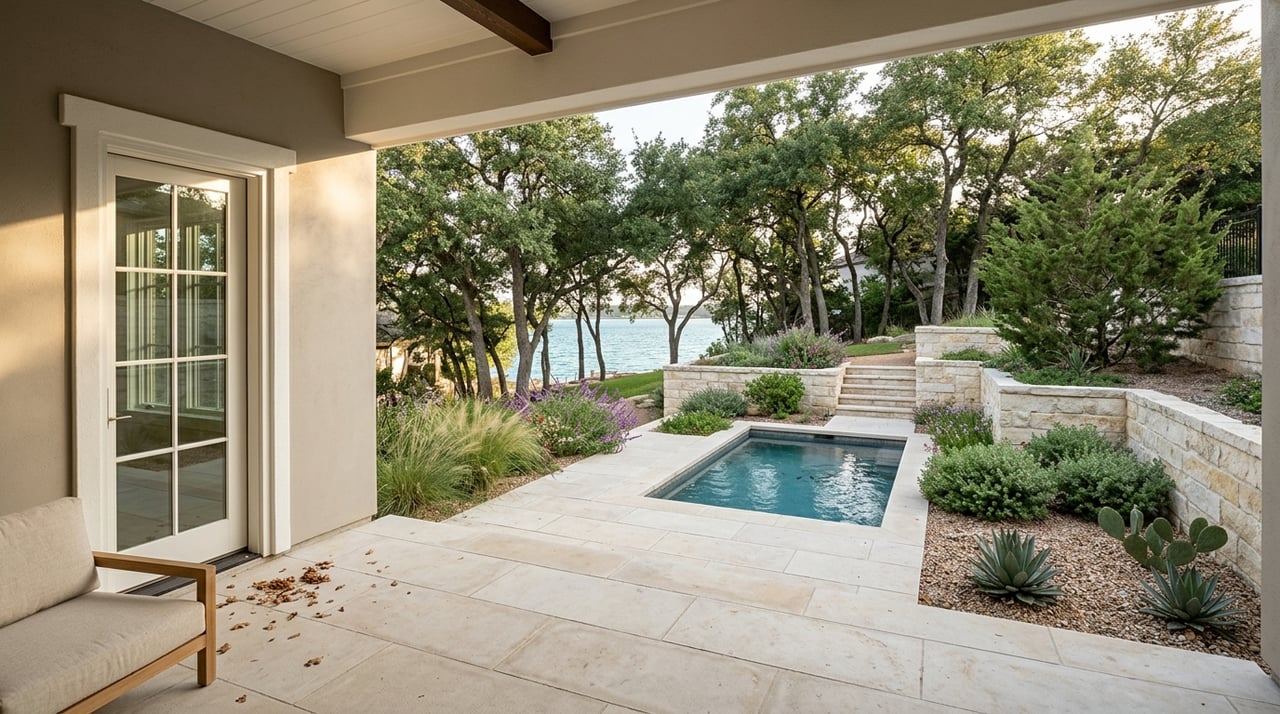
If you picture mornings by the water, easy boat access, and a stronger day-to-day connection to Lake Travis, waterfront living may be the draw. In Lakeway, waterfront homes are typically about living around the water, not just seeing it from a distance.
That lifestyle can include cove views, shoreline access, and in some cases the ability to have a dock, subject to local rules. Lakeway City Park gives a helpful sense of the area’s waterfront character. It is a 64-acre waterfront park that can be reached by water from Hurst Creek Cove, though it does not offer launching facilities.
Waterfront is a lifestyle choice
For many buyers, the value of a waterfront property is simple. If you plan to boat, fish, spend time on the water, or entertain around that setting, the home supports the way you want to live.
Research referenced in the report also suggests that waterfront location can carry meaningful pricing premiums, especially on large lakes. That can make waterfront homes especially compelling for buyers who place a high value on direct water access and a distinct lifestyle experience.
Lake levels affect the experience
One of the biggest local realities to understand is that Lake Travis is designed to fluctuate. According to LCRA, it is a water-supply reservoir with a full level at 681 feet above sea level and flood pool capacity up to 714 feet.
That means your experience of a waterfront property can change over time. In higher-water periods, access and use may feel very different than they do when the lake is lower. If your goal is consistent water use, this is one of the most important factors to weigh.
Docks add convenience and complexity
A dock can be a major benefit, but it also adds another layer of ownership. Lakeway requires permits for boat docks, docks and ramps generally must stay within property-line limits, and some dock-location rules are suspended when Lake Travis is below 670 feet mean sea level.
The takeaway is not that waterfront ownership is too complicated. It is that convenience at the water’s edge usually comes with more oversight, more maintenance, and more moving parts than an inland lot.
What hillside and golf-course living offers
Hillside and golf-course properties in Lakeway often appeal to buyers who want views, outdoor amenities, and a more club-centered or low-friction lifestyle. Instead of focusing on docks and shoreline access, these homes tend to lean into elevation, fairway outlooks, and proximity to recreation.
Lakeway itself highlights golf courses, trails, greenbelts, and parks as part of its character. That supports a lifestyle where you can enjoy the area’s natural setting and recreation without living directly on the water.
Views and amenities can be the main draw
For some buyers, a higher-elevation home checks more boxes than a waterfront one. You may prefer broad Hill Country views, a golf-course setting, or a home that feels connected to trails and nearby amenities rather than lake-edge upkeep.
The Hills Country Club is one example of the amenity mix that can shape this lifestyle. It advertises 72 holes of championship golf across four courses, plus tennis, pickleball, fitness, aquatics, dining, and a social calendar.
Club access is not always automatic
One important detail many buyers overlook is that amenities may depend on membership type, resident status, or neighborhood location. In other words, a golf-course address does not always mean full access is included with the home.
For example, The Hills offers a Community Social Membership only to residents within The Hills or Flintrock gates. If amenities are a big part of your decision, it is worth confirming exactly what access comes with the property and what would require separate dues or membership.
Public recreation still plays a role
Choosing a hillside or golf-course home does not mean giving up access to Lakeway’s outdoor appeal. The city states that its public parks are free and open to the public, and Lakeway City Park offers nearly two miles of trails and water activities when lake levels are up.
That can be a meaningful advantage if you want to enjoy the lake and trails occasionally without taking on the full cost and complexity of waterfront ownership.
Compare the maintenance side
A beautiful view can be easy to fall in love with. The better long-term question is what comes with that view after move-in.
Waterfront maintenance priorities
Waterfront homes tend to concentrate upkeep around the shoreline and water access. That can include dock permitting, dock maintenance, shoreline conditions, and the practical effects of changing lake levels on how you use the property.
If you want direct lake living, those responsibilities may feel well worth it. But they should still be part of your budget and planning, not an afterthought.
Hillside maintenance priorities
Hillside ownership tends to come with a different kind of maintenance profile. In Lakeway, landscaping changes that alter drainage require permits, and the city’s stormwater program is designed to reduce runoff and protect local waterways.
In practical terms, that means slope management, drainage planning, irrigation, and landscape upkeep may matter more on a hillside lot. The work is different from waterfront ownership, but it is still important to understand before you buy.
Compare costs beyond the purchase price
When buyers compare these two property types, the sale price is only part of the picture. Your ongoing costs can look very different depending on which lifestyle you choose.
Here are some of the recurring items to compare:
- Dock upkeep and permit-related requirements
- Marina or boat storage needs
- HOA dues
- Private club dues or membership costs
- Landscape maintenance
- Irrigation expenses
- Drainage-related improvements or upkeep
The key is to compare the full ownership model, not just the home itself. Two properties in the same city can support very different lifestyles and very different ongoing commitments.
Which option fits your day-to-day life?
The best choice is usually the one that matches your real habits, not your vacation-day fantasy. Lakeway began as a retirement and second-home community, and today it attracts a broader mix of buyers, including families, empty nesters, and relocators.
That history helps explain why some homes are built around lake use while others are built around club life, views, and a lower-maintenance routine. Your ideal fit depends on what you will actually use most.
Waterfront may fit you if
- You want to boat, fish, or spend regular time on Lake Travis
- Direct water access matters more than club amenities
- You are comfortable with lake-level variability
- You are willing to manage dock, shoreline, or water-edge upkeep
- You want a more specialized lifestyle property
Hillside or golf-course living may fit you if
- You want views without direct shoreline maintenance
- You prefer golf, fitness, tennis, pickleball, or social amenities
- You want access to parks and trails without living on the lake
- You are comparing low-friction options for a relocation move
- You want a property that may appeal to a broader set of future buyers
Think about resale through the lifestyle lens
Resale value is never just about location on a map. It is also about how many future buyers want the same ownership experience you are choosing today.
A waterfront home may offer strong lifestyle appeal and pricing power, but it can also attract a more specialized buyer pool. A hillside or golf-course home may appeal to buyers who want views and amenities without the waterfront burden. In Lakeway, that makes lifestyle fit one of the smartest ways to think about long-term value.
A simple way to decide
If you are stuck between the two, ask yourself a few honest questions:
- Do you want to launch, dock, and live on the water, or do you mainly want lake access nearby?
- Are you comfortable with water levels changing over time?
- Would you rather budget for dock and shoreline upkeep, or for club dues and amenity access?
- Does your move need to feel turnkey and low-maintenance?
- Are you choosing a full-time home, a second-home feel, or a lifestyle-focused retreat?
Those answers often make the decision clearer than price or square footage alone.
If you want help narrowing your options in Lakeway, the right guidance can save time and help you focus on homes that truly match how you want to live. The Lisa Little Team offers a high-touch, concierge approach for buyers who want a smoother, more informed move in Lakeway and the west-Austin Hill Country.
FAQs
What is the main difference between waterfront and hillside living in Lakeway?
- Waterfront living is usually about direct interaction with Lake Travis, including water access and possible dock use, while hillside living is more often about elevation, views, and access to golf or other amenities.
How do Lake Travis water levels affect waterfront homes in Lakeway?
- Lake Travis is designed to fluctuate, so water access, shoreline use, and dock conditions can change depending on lake levels.
Do Lakeway waterfront homes require dock permits?
- Yes. Lakeway requires permits for boat docks, and docks and ramps generally must remain within property-line limits.
Can you enjoy parks and trails in Lakeway without owning a waterfront home?
- Yes. Lakeway states that its public parks are free and open to the public, and Lakeway City Park offers trails and water activities when lake levels are up.
Do golf-course homes in Lakeway always include club access?
- No. Access to club amenities can depend on membership type, resident status, and neighborhood location, so you should confirm the details for each property.
Which Lakeway property type may feel lower maintenance for relocators?
- Many relocators may find hillside or golf-course living easier to manage day to day because it can reduce water-edge responsibilities like dock and shoreline upkeep.